
Winter Safety: Applying the Hierarchy of Controls
Winter weather presents a unique set of challenges for industrial facilities, from slippery parking lots to compromised emergency routes. While the instinct might be to react to each snowfall or ice storm, a more strategic and effective approach lies in applying the Hierarchy of Controls.
The Hierarchy of Controls, widely recognized in industrial safety, provides a structured method for mitigating hazards, prioritizing the most effective solutions, and ensuring a safer environment for employees, visitors and contractors.
This established safety framework ranks safety interventions from most effective to least effective: Elimination, Substitution, Engineering Controls, Administrative Controls and Personal Protective Equipment (PPE). Let's explore how this framework can be strategically applied to winter facility safety.
-
Elimination: Can we remove the hazard?
The most impactful control is elimination. For winter hazards like snow and ice, direct elimination is often impossible. We can’t prevent the snow from falling.
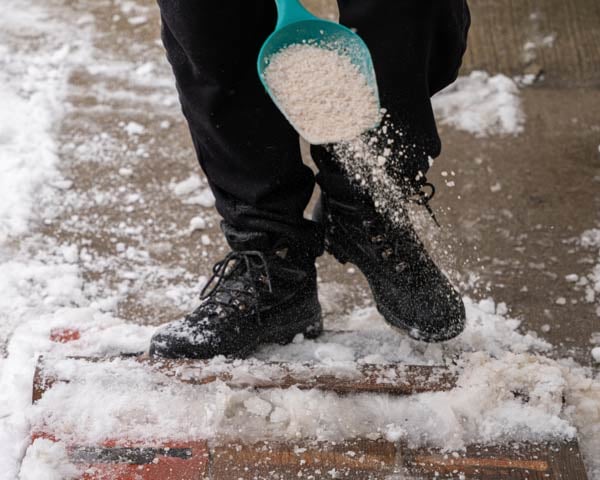
However, elimination can mean the immediate physical removal of the hazard. Shoveling walkways, plowing parking lots and salting frozen patches are all ways to eliminate hazards. With a little planning, this step is easily attainable.
Ensure you put comprehensive plans in place to handle snow and ice before weather events happen so grounds are tended to before employees and contractors arrive. Signing contracts with specific time clauses can help ensure safe and timely removal of snow and ice.
-
Substitution: Can we replace the hazard?
Substitution involves replacing a hazard with a less dangerous one. In the context of winter, this is generally not applicable, as snow and ice are natural occurrences that cannot be "replaced" by a safer alternative.
-
Engineering controls: Isolate people from the hazard
Engineering controls aim to physically isolate people from the hazard. This level of control translates to designing and maintaining the physical environment to minimize risk. Examples include:
- Effective Drainage: Ensuring proper drainage in parking lots and walkways can prevent water from pooling and freezing into black ice.
- Heated Mats/Surfaces: Installing heated mats at high-traffic entrances or on critical walkways can prevent ice formation.
- High-Quality Matting Systems: The inside entryway of a facility is an often overlooked hazard. Melted snow can linger on the floor, creating a slip hazard. Usually, facilities will use rugs or mats to mitigate the risk. These rugs introduce other hazards. Rugs that fold or bunch can create a trip hazard that goes unnoticed. Install warning signs and assign employees to check entryways at regular intervals.
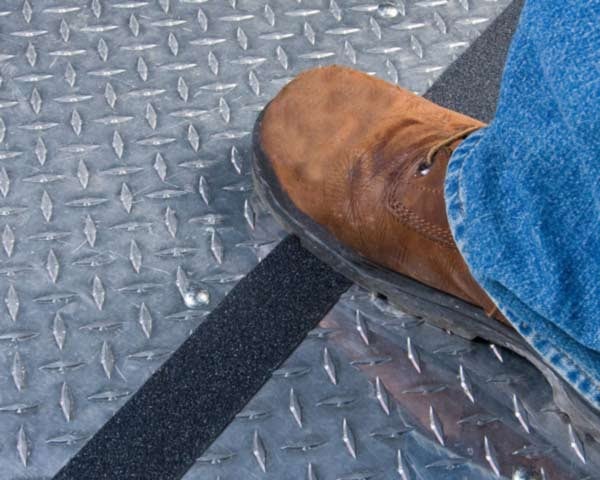
- Install Anti-Slip Floor Tape: Anti-skid tape helps prevent slipping - even in wet conditions. Laying down tape can help provide traction and prevent falls at entries and stairwells.
-
Administrative controls: Change the way people work
Administrative controls involve changing work practices or procedures to reduce exposure to hazards. These are crucial for winter safety:
- Clear Communication Protocols: Establish multi-channel communication systems (email, text messages, internal announcements) to notify staff of severe weather, facility closures or altered operational hours. Ensure all employees can access these messages.
- Designated Routes and Procedures: Clearly communicate and mark designated safe walking paths and entry/exit points that will be regularly cleared. Safety signage, such as "Walkway Closed" or "Use Main Entrance," can guide personnel.
- Winter Evacuation Planning: Evacuating your facility during winter months presents unique complications. Emergency exits aren’t used on a regular basis, so buildup of snow and ice is more likely. Make sure any snow removal plans emphasize the emergency exit locations.
- Snow Removal Safety Protocols: If your facility provides snow removal equipment and supplies, or you have internal staff handle the job, proper storage is key. Shovels and salt can become trip hazards when not stored properly.
- Hazard Signage: Implementing warning signs for "Wet Floor" or "Icy Conditions May Be Present" at building entrances and in parking lots, even for inconspicuous black ice, is a vital administrative control to raise awareness and prompt caution.
-
Personal Protective Equipment (PPE): Protect the worker
PPE is the least effective control, as it relies on individual compliance and doesn't remove the hazard. However, it's a vital last line of defense:
- Appropriate Footwear: Encourage employees to wear slip-resistant winter boots for commuting and, after working outdoors, changing into indoor shoes when they enter. If your facility requires safety shoes, ensure that they still provide the necessary traction to prevent falls.
- Winter Outerwear: Advise employees to keep warm hats, gloves and jackets with them. In the case of an emergency evacuation, employees may be exposed to cold weather for an extended period of time.
Applying the Hierarchy of Controls helps facilities move beyond reactive measures and implement a comprehensive, multi-layered safety plan. Proactively planning for potential winter hazards can minimize injuries, prevent property damage, and eliminate lost-time accidents.