
Key Concerns for Data Center Safety
Article Summary
To protect personnel and promote uptime, data centers must integrate OSHA-compliant safety protocols directly into their infrastructure and daily workflows. Proactive planning during the construction phase prevents costly operational disruptions and ensures a world-class safety culture.
- Hazardous energy control: Standardized LOTO procedures mitigate arc flash risks and safely dissipate stored energy in UPS systems.
- Structured cabling: Proper cable management eliminates OSHA trip violations and prevents thermal hotspots that lead to electrical fires.
- Visual communication: Floor markings and color-coded signage meet standards and provide clear egress pathing during power failures.
Key Concerns for Data Center Safety
In the high-stakes environment of a data center, the margin for error is razor-thin. Just one unmanaged cable or missing lockout tag can turn a minor oversight into a life-altering injury. In an industry where 99.999% uptime is the gold standard, safety cannot be a secondary thought.
By integrating OSHA-compliant safety protocols directly into daily workflows, data centers can eliminate the most common causes of workplace accidents (while simultaneously bolstering system reliability).
Preventing Accidents with LOTO
The sheer density of electrical energy required to power thousands of servers makes lockout tagout (LOTO) the most important safety protocol in the building. It’s not uncommon to service equipment while hazardous energy is present, and it needs to be managed with military precision.
Isolating power rooms:
- As the heart of the facility, power rooms are designed to maximize uptime by isolating specific service points. This allows technicians to perform maintenance on individual components without interrupting the overall power supply.
Accident prevention strategies:
- Proper procedures and documentation: OSHA requires a comprehensive written program, and ongoing training, to ensure technicians know exactly how to de-energize equipment.
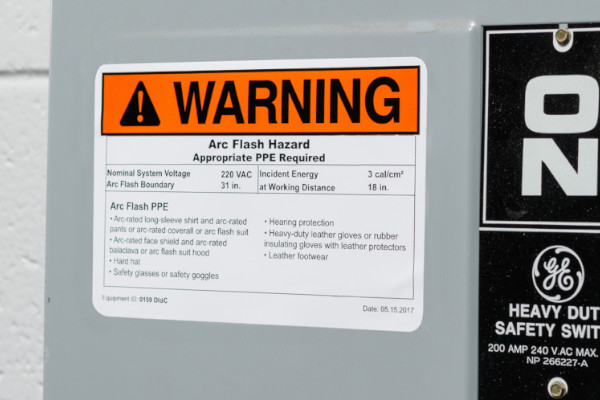
- Arc flash mitigation: LOTO is the primary defense against arc flash. Ensuring circuits are fully de-energized and verified before maintenance prevents the explosive release of energy that can occur during a fault.
- Stored energy hazards: Power doesn't always completely vanish when the switch is flipped. Capacitors in Uninterruptible Power Supply (UPS) systems and LED light drivers can still hold a lethal charge long after the main feed is cut. LOTO procedures should include steps to safely dissipate this hidden energy.
- Access control: High-risk areas should be restricted to designated, trained personnel to prevent accidental energy re-engagement by unauthorized staff.
Structured Cable Management
Structured cabling is often thought of as pure aesthetics. But for a safety officer, it’s actually a tool for risk mitigation.
Eliminating trip and fall hazards:
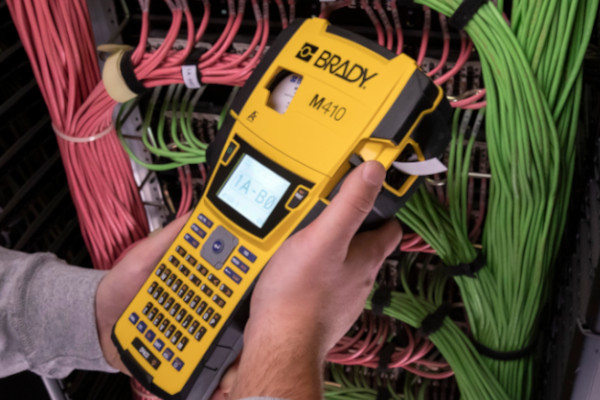
- OSHA 1910.22 is clear: floors must be kept clean, dry and free of obstructions. Unmanaged "spaghetti" cabling — a mess of tangled cables across walkways — is a primary violation and a leading source of workplace falls.
Thermal management as fire prevention:
- Beyond creating trip hazards, disorganized cables act as a dam for airflow. These obstructions block the strategic cooling patterns of high-density environments, creating localized hotspots. Over time, these hotspots can melt insulation, leading to short circuits and electrical fires that threaten the entire facility.
Visual Communication Through Floor Marking and Signage
A data center should communicate safety through clear, standardized visual cues.
Defining "keep clear" zones:
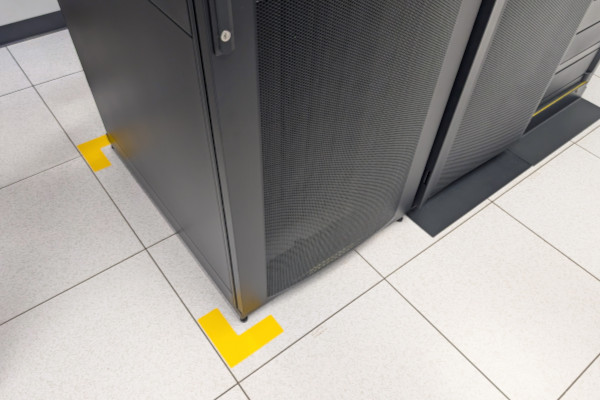
- OSHA and NFPA require specific clearance in front of electrical panels (typically starting at 36 inches). Use durable floor tape to demarcate these zones to ensure equipment never obstructs access to emergency shut-offs.
Standardized color coding:
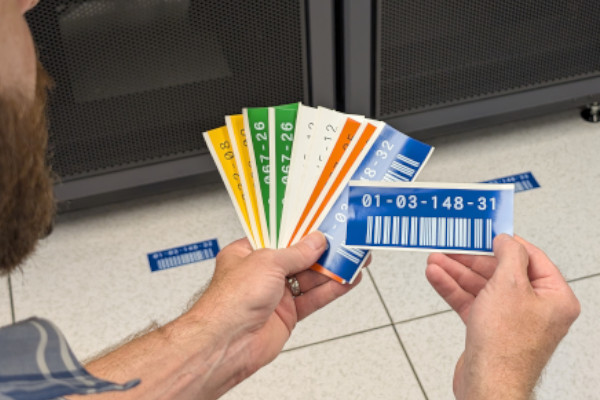
- Instant recognition saves lives, so be consistent with signage and floor marking colors. Red is reserved for fire protection equipment and emergency shutdown (EPO) buttons. Yellow is used for caution zones, physical hazards and walkway borders.
Walkway engineering:
- Walkways should be wide enough to transport heavy server racks. Narrow paths lead to jostling of sensitive equipment and increased risk of pinch-point injuries for personnel.
Emergency egress pathing:
- In the event of a power failure or a smoke-filled room, visibility can drop to near zero. Use photoluminescent or high-contrast tape to safely guide personnel to exits.
A truly world-class data center is one where safety and performance are inseparable. Documentation and training will always be the backbone of any successful program, ensuring that protocols are practiced and not just filed away.
The key is to be proactive. Planning ahead prevents the expensive headache of having to rearrange heavy, energized equipment to meet requirements. The most successful facilities plan for these initiatives during the construction phase. By building safety into the blueprint, data centers protect their most valuable assets: their people and their uptime.