
Prevent Serious Injuries and Costs with Near Miss Reporting
Article Summary
Workplace accidents have both direct and indirect costs. While companies plan for the direct costs by purchasing insurance, indirect costs can compound quickly, carrying a steeper price tag. Preventing accidents is the key to managing these costs, and near miss reporting one of the best tools to reduce the risk.
In this article you will learn:
- Which direct and indirect costs are most common when accidents happen.
- How to use near miss reporting to expand and improve safety procedures.
- Ways to encourage employees to take initiative in near miss reporting, creating a culture of safety in your workplace
Workplace accidents happen every day. While most result in minor injuries and property damage, some lead to severe injuries, fatalities and extensive damage to facilities and equipment.
The primary concern in workplace accidents is, of course, the health and safety of the affected employees. But there are many financial impacts as well. Though hard to measure, costs show up in the form of long-term disabilities, loss of income, a diminished quality of life, or pain and discomfort.
For employers, the costs vary based on the nature of the incident and are divided into two groups:
- Direct costs that employers can plan for and even insure against
- Indirect costs that ripple out from the incident
Direct costs are measurable, planned-for expenses
Direct costs of incidents include workers’ compensation claims, medical treatments, legal and regulatory fees, property damage, and insurance deductibles. The 2025 Liberty Mutual Workplace Safety Index reported that U.S. companies spend $58.78 billion on direct costs, including medical and lost-wage payments.
Not every accident can be prevented, but adherence to strict safety rules and procedures does reduce the likelihood and severity of workplace accidents.
Common indirect costs of workplace accidents include:
- Training and compensating replacement workers
- Conducting accident investigations and implementing corrective procedures
- Project delays and lost productivity Increased administrative and legal expenses
- Decreased employee morale and higher absenteeism
- Damaged customer relationships and negative public perception
Turn near misses into a cost-saving strategy
Putting a safety program in place is only part of the solution. Procedures and rules only work when every person understands them, follows them consistently and sees why they matter. Clear documentation and hands-on training turn rules into daily habits to build real buy-in and a safety culture that lasts.
Employees need to play an active role to prevent workplace accidents from occurring. Near miss reporting is one of the best ways to address potential hazards before they lead to injuries. Here are a few tips to get you started.
Pay close attention to near misses
A near miss is a warning sign you get for free — an unplanned event that didn’t cause an injury or property damage, but easily could have. Picture a worker tripping over a toolbox left in a walkway and catching themselves before hitting the floor. Nothing was damaged, and nobody got hurt … this time.
Safety data estimates show roughly 300 near misses happen for every major workplace injury. While the exact data varies by facility, the takeaway is that serious accidents rarely happen without warning. Catching and fixing those early close calls is how you stop the next major incident before it starts.
Make reporting simple, required and encouraged Unsafe working habits and conditions, as well as damaged or defective equipment, all lead to serious accidents if they go unaddressed. It’s easy to ignore near misses because there are no direct consequences. That’s why reporting should be mandatory for all employees. You also need to make it easy to submit a report. The harder it is, the less likely that the incident will be reported. Consider using an app or standardized form to streamline the process.
Finally, it's essential that no employee who reports a near miss is punished or receives retaliation. This should also extend to employees who are involved in the near miss event. Except in cases of extreme negligence or purposeful endangerment, a near miss should be treated as a teaching moment. Here are a few questions to ask yourself of employees:
- Why is an employee cutting corners on a safety procedure?
- Are the procedures too complicated to follow easily?
- What steps would make compliance easier?
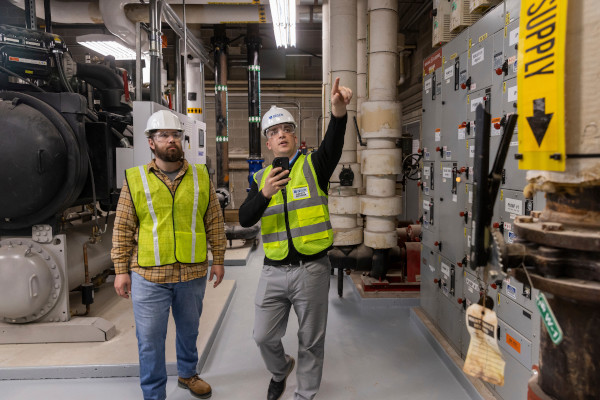
Consider an example where an employee chooses to not wear their personal protective equipment (PPE). Usually, there’s a practical reason — the PPE isn’t stocked at the point of use, the right size is missing or its intended use is unclear.
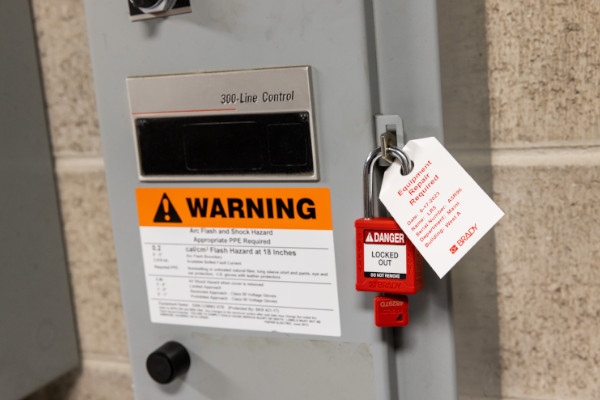
Or when lockout tagout procedures are required for maintenance, sometimes employees skip steps because of deadlines and productivity demands. If this is the case, consider a company-wide policy that prioritizes safety as well as productivity.
Speaking and listening directly to employees about near misses is the most effective way to address them.
Follow up on submitted reports
Employees need to know that reports are taken seriously. After an employee files a report, be sure to reconnect with them to explain what actions were taken to address the issue. Without this feedback, employees are less incentivized to take the time to report near misses.
Communicate that safety is everyone’s responsibility
Near miss reporting is an important tool in your workplace safety plan. A strong safety culture is vital to ensuring everyone goes home at the end of the day, and reporting all incidents and near misses is a key part of that culture.
Work with Brady
Brady can help you create a compliant safety program complete with near miss reporting procedures. Get in touch with the Brady Safety Services team to get started.
Contact Us