
How Contractors Are Capitalizing on the NFPA 70B 2026 Update
Article Summary
The 2026 edition of NFPA 70B expands the standard's scope from simple preventative tasks to more robust predictive and corrective maintenance. These data-driven cycles are designed to mitigate hazards before they spark unplanned downtime or catastrophic injuries. In this article, you will:
- Get a better understanding of the safe work practices that NFPA 70B establishes.
- Learn how to create lasting contractor partnerships by providing additional services.
When the National Fire Protection Association (NFPA) transitioned NFPA 70B from a recommended guideline to a mandatory standard in 2023, facilities needed to shift how they managed electrical equipment. The standard formalized expectations around the implementation of an Electrical Maintenance Program (EMP), turning what used to be optional routine maintenance into a strict requirement enforced by Authorities Having Jurisdiction (AHJs) and OSHA oversight.
The 2026 edition of NFPA 70B pushes that evolution even further. Maintenance as part of NFPA 70B (2026) expands its scope from simple preventive tasks to more robust predictive and corrective maintenance. These dynamic, data-driven cycles are designed to mitigate hazards before they spark unplanned downtime or catastrophic injuries.
For industrial and commercial facilities, navigating these changes can feel overwhelming. Schneider Electric survey data of facilities revealed that:
- 84% of facilities were not ready to comply with mandatory NFPA 70B rules
- 70% lacked the time or dedicated internal resources to manage them
But that gap represents a massive opportunity for external electrical contractors. By stepping into the role of a trusted compliance expert, contractors can move past one-off service calls and build durable, recurring service partnerships.
Understanding NFPA 70B (2026): Guiding safer, more effective maintenance
Inspection requirements and schedules
NFPA 70B establishes mandatory maintenance scopes and baseline intervals based on equipment type, operational criticality and physical environment. Under the 2026 update, it expands upon rigid calendar checks by introducing reliability principles like the Potential Failure to Functional Failure (P-F) curve. This allows facilities to systematically extend or shorten inspection frequencies based on verified equipment condition and performance cycles.
Thermal assessments
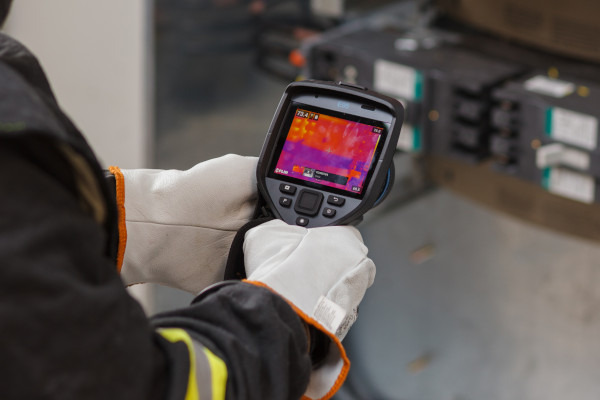
NFPA 70B mandates thermal assessments to detect abnormal heat distribution, loose terminations and phase imbalances before they trigger an arc-flash event. The 2026 edition raises the bar by explicitly allowing permanently installed, continuous thermal monitoring devices to satisfy periodic inspection requirements. Rather than having technicians suit up and open energized panels for a once-a-year snapshot, facilities can now rely on 24/7 sensors and infrared windows to track thermal trends in real time — engineering out worker exposure while moving from reactive maintenance to true predictive insight.
For a full breakdown of thermal imaging, check out our guide on Infrared Thermography for Electrical Inspection.
Clear condition designations and visual status
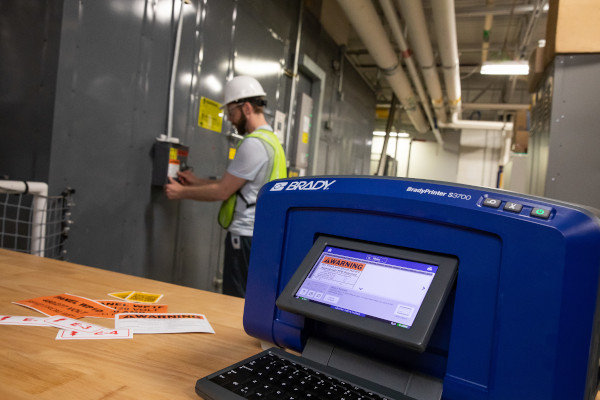
Equipment must be formally evaluated into clear condition states: Serviceable, Limited Service or Nonserviceable. The 2026 standard emphasizes that this status cannot stay buried in software; it must be readily available and immediately identifiable at the unit — often using color-coded labels or clear on-site asset ID.
Hierarchy of risk controls
The 2026 edition sharpens Chapter 6 requirements around maintenance-related design, explicitly directing facilities to evaluate engineering controls that eliminate exposure to hazards (such as IR inspection windows or remote breaker racking) rather than relying exclusively on personal protective equipment (PPE).
Turning Compliance Into Lasting Contractor Partnerships
Become the designated EMP coordinator
The EMP must designate an EMP Coordinator by name who is responsible for the program’s oversight, implementation and review.
This coordinator does not have to be an internal direct employee; the role can be held by a qualified third-party contractor. However, they must be formally named in the written plan. If you step into this role for your clients, your firm becomes woven directly into their operational governance, solidifying an ongoing advisory and service relationship that protects their people and their equipment for the long haul.
Taking on the role of managing the EMP takes an immense administrative and technical burden off the customer’s plate. As a dedicated service partner, you perform assessments, service routines and testing efficiently because your team does this day in and day out. Your customers gain peace of mind knowing critical infrastructure meets AHJ requirements without diverting internal staff from daily production goals.
Eliminate the retraining burden
Operating an in-house EMP requires specialized worker qualifications, ongoing NFPA 70E/70B training and rigorous annual program audits. When a trained in-house technician leaves a facility, the company faces immediate compliance gaps, institutional knowledge loss and the high cost of retraining replacements. By hiring an external contractor, the facility insulates itself from internal turnover and maintains compliance.
Provide clear, actionable documentation
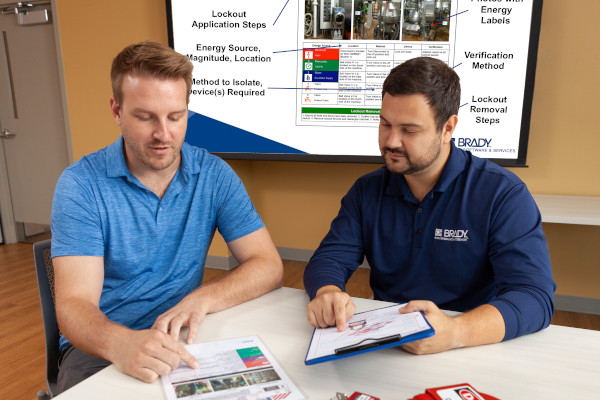
Under NFPA 70B, if maintenance isn't documented, it didn't happen. Contractors provide complete documentation packages: updated single-line diagrams (SLDs), baseline acceptance test histories, thermographic reports and clear visual status indicators on every asset. While this level of clarity technically gives customers the roadmap to perform their own future upkeep, high quality execution and detailed reporting ensure they will want you back every single year.
| Program Gap | Contractor Opportunity |
|---|---|
| High capital expense for IR cameras and diagnostic tools | Contractor supplies fully calibrated, professional diagnostic gear |
| Risk of lost certifications and retraining due to staff turnover | Dedicated, continuously trained certified technicians |
| Time-consuming record tracking and updates | Structured inspection reports and compliance documentation |
| Unplanned downtime from run-to-failure practices | Predictive repairs aligned with the P-F curve to preserve uptime |
Supply specialized testing tools
NFPA 70B compliance requires specialized equipment. Certified infrared thermography cameras, insulation resistance testers, primary injection test sets and power quality analyzers carry significant capital costs, ongoing calibration requirements and operator certification standards. External contractors arrive equipped with the necessary diagnostic tools and the field experience to operate them safely, saving clients significant capital investment.
Know full inspection procedures to identify blind spots
Contractors specialize in catching the red flags in-house teams often miss — like loose bolted connections, early signs of insulation wear and hidden hotspots brewing inside live panels. Catching these early protects workers, mitigates arc flash risks and prevents catastrophic failures that trigger costly emergency shutdowns and reportable OSHA incidents.
Deliver proactive, high-value maintenance plans
Positioning yourself as a partner rather than a vendor means bringing value beyond a checklist. Following an assessment, deliver a prioritized forecast of upcoming service needs based on asset condition. Showing a customer how a minor servicing step today avoids a six-figure component failure next year demonstrates genuine stewardship over their bottom line.
Go from service vendor to strategic partner
NFPA 70B compliance and electrical maintenance today are as much about data and risk management as they are about turning wrenches. The standard has caught up with modern industry demands, pushing facilities toward predictive analytics, continuous monitoring and a culture of safety. For electrical contractors, the standard positions maintenance professionals not as reactive service vendors, but as indispensable stakeholders in facility safety and performance.